


Warhorse: Movie Story Overview
Warhorse offers a sweeping, character-driven epic that follows a horse named Joey and the boy who loves him through the upheavals of World War I. The film vividly depicts Joey’s journeys across a changing array of owners, from a Devon farm to the trenches of Flanders, illustrating how one animal becomes a vital link between civilians and soldiers. Steven Spielberg masterfully translates the novel’s emotional core into a visual tapestry of friendship, resilience, and the brutal unpredictability of war. The story unfolds through shifting perspectives—Albert, his family, and a variety of soldiers—highlighting how loyalty endures even amidst loss and the chaos of nations colliding. At its heart, the film is a powerful reflection on the human toll of conflict, with Joey standing as a symbol of life and memory amidst destruction, much like the thrill of a game at Fortunica Casino.
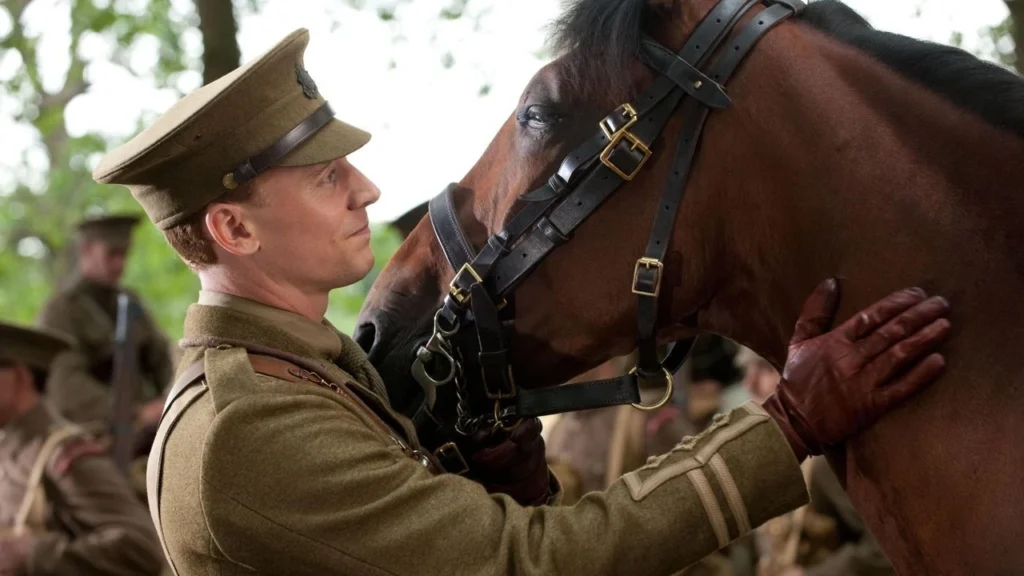
Plot Summary
Albert Narracott is a compassionate, stubborn farm boy living on a windswept English hillside. He is imaginative, sensitive to the suffering of others, and deeply attached to Joey, a horse who becomes more than a work partner. Their first shared routines—feeding, brushing, and riding across the fields—build a trust that anchors the story’s emotional core.
Albert’s world is tested when financial hardship forces his father, Ted Narracott, to mortgage pride and sell the horse at the local market. The decision triggers a chain of consequences that ripples through the farm and into the wider world as Joey is drafted into service with the British Army. The sense of loss is immediate, but the bond between boy and horse persists in memory as new owners and new landscapes take Joey into unfamiliar danger.
On the Western Front, Joey travels through a rotating cast of riders and commanders, from seasoned cavalrymen to exhausted laborers, each adding a layer to the animal’s experience and the men who rely on him. The horse endures the mud, cold, and bombardment, forging a quiet path through fear while the humans wrestle with duty, discipline, and mercy.
Joey passes into German hands for a time, where a farmer and a young German boy form a rare bond with him, offering tenderness amid the war’s cruelty. The horse’s endurance becomes a living illustration of resilience, mutual trust across enemy lines, and the fragile line between life and death that war often blurs.
Back on the allied side, Albert’s longing for Joey remains a compass for his own growth. The narrative threads these private stakes into a broader meditation on sacrifice, loyalty, and the possibility of memory offering some form of redemption after devastation. The climax and aftermath celebrate endurance and the remains of hope that survive the trenches’ smoke.
Main Characters
Central to Warhorse are a handful of figures whose relationships with Joey and with each other illuminate the film’s emotional spine. The story gives Albert’s experience center stage while letting Joey’s presence widen the lens to a global conflict seen through ordinary people and soldiers alike. The following core characters anchor the narrative, each attaching meaning to the horse’s perilous journey.
- Albert Narracott — a compassionate, stubborn farm boy whose bond with Joey defines his coming‑of‑age journey and fuels his hope through the darkest hours of war.
- Joey — a brave, perceptive horse whose loyalty and endurance carry him through shifting fronts, becoming a living lens on the human costs of conflict.
- Ted Narracott — Albert’s father, a stubborn farmer whose impulsive decision to sell Joey triggers a chain of events that reveals generational divides and a longing for redemption.
- Captain Nicholls — a humane British officer who treats Joey with respect, fostering a bond between horse and rider that underscores leadership tempered by kindness.
- Friedrich — a German farmer whose brief ownership of Joey introduces a humane, intimate counterpoint to the war’s brutality, highlighting resilience and the possibility of trust across enemy lines.
The ensemble demonstrates how loyalty, duty, and mercy can echo across factions, giving weight to individual choices even when the larger machinery of war seems inexorable. These characters together illuminate the moral texture of the story, showing that compassion can survive the clash of nations and the fatigue of combat.
Albert Narracott
Albert Narracott is the quiet center of the story, a farm boy shaped by love, loss, and the unpredictable pull of a creature that becomes his closest ally. From the first moment he tethers Joey’s life to his own, Albert embodies a tenderness that contrasts with the harsh realities of the world around him. He learns to read signs in the horse’s posture, to listen for a breath that signals reassurance, and to interpret a glance as a form of dialogue without words. His loyalty to Joey grows into a moral resilience that guides his decisions when family needs clash with war’s demands. The bond becomes a schooling in responsibility: every choice—who rides, who fights, who risks—carries a price that he must bear. Albert’s growth is tested by separation when Joey is sold, and by the hard lessons of leadership, sacrifice, and mercy that war imposes. In the end, his mature, cautious hope is earned through endurance and a memory that can sustain him when the future feels uncertain. The intimate portrait of Albert frames the larger narrative as a study in how a single life can illuminate a generation’s hardship and its capacity to recover through compassion.
Joey
Joey is more than a horse in a war story; he is a living lens on the era’s violence and a beacon of steadfastness in bleak moments. From his first days on the farm, he learns to anticipate a partner’s cues, to navigate unfamiliar tasks with composure, and to respond with remarkable resilience to hardship. On the battlefield, his senses detect danger before the human eye, and his reactions—hesitations, quick breaths, muscle tension—translate fear into action that helps ensure survival for those who rely on him. The horse’s endurance is tested across landscapes that shift from open fields to trenches filled with mud and smoke, yet Joey’s temperament remains fundamentally steady and generous. The riders who come and go leave traces in his behavior—some treat him with gentleness, others with roughness—and his capacity to forgive, to adapt, and to keep moving becomes a quiet critique of war’s indiscriminate cruelty. The animal’s relationship with people—whether a boy, a farmer, or a soldier—reveals layers of trust and mercy, reminding audiences that animals often witness more than battles; they hold memory, routine, and a sense of home. Joey’s survival becomes a symbol of continuity, demonstrating that life persists even when nations fail to protect it. His journey leaves a lasting impression on the people who meet him, shaping their choices, their compassion, and their own capacity for loyalty, even in the most uncertain times. The film treats Joey as a sentient presence whose vitality sustains others and whose quiet courage provides a humane counterweight to the war’s violence.
Ted Narracott
Ted Narracott is Albert’s father, a stubborn, proud farmer whose impulsive decision to sell Joey becomes the story’s initiating wound and the hinge on which the family’s fortunes swing. He embodies the tension between pride and responsibility, between desire to preserve family honor and the practical realities that threaten those he loves. Ted’s worldview is hard-won, shaped by years of hard labor and the weight of debt, yet his arc reveals a capacity for regret and redemption that surfaces as the war unfolds. His initial act of selling Joey is not merely economic; it is a failed attempt to secure a future for the farm, a choice that triggers a cascade of consequences that test his bond with Albert and his understanding of what it means to protect what truly matters. As the story moves through hardship and distance, Ted’s stubbornness gradually softens into a more nuanced sense of mercy, and his yearning for reunion reflects a hopeful strain that runs through the family. The character’s journey underscores the film’s themes of memory and consequence: a single decision can echo across generations, shaping dignity, forgiveness, and the possibility of reconciliation long after the moment of error has passed.
Captain Nicholls
Captain Nicholls embodies the humane leadership that counters the brutality of war, a commander who sees beyond orders to the life behind the horse he rides. From the early days of training, he treats Joey with respect and care, recognizing that a horse’s loyalty is earned through patience and trust. Nicholls understands that every mount represents a thread of human effort—the steward who tends him, the rider who trusts him, the medic who cares for him—woven into a single animal’s fate. His relationship with Joey mirrors his broader philosophy of command: firm and decisive when needed, but always attentive to the value of gentleness and mercy. When battles erupt and the line between life and death tightens, Nicholls’s actions reveal the ethical tension faced by soldiers: how to balance duty with compassion, how to protect the vulnerable, including the horse that functions as a lifeline for the men who ride him. The character’s brief arc thus serves as a microcosm of the film’s larger themes about mercy in war and about the quiet courage that sustains those who must lead others into danger to keep hope alive.
Friedrich
Friedrich represents a parallel human experience on the other side of the conflict: a farmer whose life intersects with Joey’s in a moment of shared vulnerability. His brief ownership is only a sliver of the horse’s long odyssey, but it offers a humane counterpoint to the warfare surrounding them. Friedrich treats Joey with care and respect, recognizing the creature’s dignity even as the war closes in around them. In the intimate exchanges between farmer and animal, the film suggests that empathy can survive the boundaries of language and nationality, making room for mutual trust in desperate times. Friedrich’s interactions with Joey also highlight the resilience of everyday life—the rituals of feeding, grooming, and tending to a horse—that persist even amid bombardment and displacement. Through this character, War Horse acknowledges that the war’s reach extends into rural communities, shaping the lives of ordinary people who must adapt to sudden upheaval. The bond formed in these scenes demonstrates that friendship can flourish under pressure, offering a glimmer of humanity amid the despair. In the broader arc of the story, Friedrich’s brief chapter reinforces the theme that connections across divides can endure beyond the battlefield, leaving a lasting impression on the horse’s memory and on the people who tell its tale.
Historical Context and Accuracy
World War I provides the backdrop for War Horse, and the film works to balance fidelity with narrative drama. The Western Front features trench lines, barbed wire, artillery bombardment, gas, and mud—elements that filmmakers have to condense for storytelling while preserving the sense of scale and danger. Spielberg emphasizes the human costs: civilians displaced by fighting, soldiers separated from family, and animals pressed into service by both sides. The cavalry and infantry sequences, while dramatic, reflect real tactical features of the era, including the liminal use of horses for reconnaissance, transport, and support in an environment where mechanized war was rapidly changing the battlefield. The depiction of allied and enemy interactions—moments of mercy, moments of brutal necessity—echo the moral ambiguities the historical record acknowledges. The film uses animal-centered storytelling to access big themes without glamorizing the violence, presenting the war as a machine that runs on individual acts of courage or kindness. While certain episodes are dramatized or streamlined for cinematic impact, the core setting—World War I in Britain, France, and Germany—remains historically recognizable. The production also makes visible the era’s social and economic tensions: farmers facing debt, soldiers leaving for long campaigns, and civilians living with the fear that daily life can be shattered in an instant. In short, War Horse aims to honor a historical moment through a deeply personal lens, acknowledging both the specificity of the period and the universal toll of war.
Themes and Symbolism
At its heart, War Horse explores loyalty, memory, and the moral cost of conflict. Joey functions as a living symbol of life’s persistence, carrying both the trauma of battle and the possibility of mercy. Albert’s devotion to the horse reflects a broader human impulse to protect those who cannot speak for themselves, a theme echoed in the acts of care shown by soldiers and civilians alike. The film uses the horse as a bridge between opposing sides, highlighting shared humanity beneath uniforms and flags. The landscapes themselves—fields, trenches, and farmyards—float with symbolism: the soil that feeds life becomes the ground where survival, grief, and hope converge. The moral questions the story raises—what is owed to an animal, to a family, to a country in crisis—are explored through quiet moments of kindness, acts of sacrifice, and the endurance of memory. The narrative’s emotional arc also critiques the senseless cycles of war by insisting on personal connection, showing that even large-scale history is composed of individual choices and small mercies. Finally, the film’s visual motifs—light on a horse’s coat, a field at dawn, a line of troops marching together—translate abstract ideas into memorable images that linger after the screen fades.
Features and Benefits of Warhorse Access
War Horse offers a range of viewing options that accommodate different environments, budgets, and schedules, ensuring that audiences can experience the film’s emotional scope and historical setting in a way that suits them. This guide outlines how UK viewers can access the movie across theatrical re-releases, home media, and digital platforms, while highlighting how high-quality audio-visual presentation enhances immersion. By examining formats, you can optimize picture, sound, and accessibility to match your display and speaker setup. The film’s themes—empathy, courage, and the human cost of war—translate powerfully across formats, making careful format selection worthwhile for both first-time viewers and returning fans. In addition, the guide points to special features, production insights, and educational resources that enrich understanding of the story, setting, and production. The aim is to help you plan a comprehensive War Horse viewing experience that maximizes emotional resonance and historical clarity in the UK market.
Viewing Formats and Quality
War Horse is available to audiences through a variety of formats that cater to different watching environments, from cinematic premieres to home cinema setups. The theatrical experience remains a benchmark for scale and immersion, but most viewers access the film through home media and digital platforms that deliver close to cinema-grade visuals and sound. In home formats, 4K Ultra HD Blu-ray with HDR (high dynamic range) typically provides the most dramatic enhancement of texture, color depth, and contrast, allowing period details in uniforms, equestrian gear, and landscapes to pop with realism. For many households, this is paired with a high-quality sound system that supports Dolby Atmos or a comparable immersive audio format, which places viewers in the battlefield, the farm, or the race of the nearby town with precise directional effects. In addition to physical media, streaming and digital rental or purchase offer convenient access, though availability can depend on licensing in the UK. When selecting a format, consider your display capabilities, seating distance, and whether you want access to extras beyond the film itself.
Aspect ratio and image fidelity also shape viewing quality. War Horse is traditionally presented in a widescreen frame that preserves expansive landscapes and dynamic battle scenes, which means a capable display with good black levels will better reveal the film’s atmospheric lighting and period detail. While some streaming editions may be upscaled to fit modern televisions, a direct physical release on 4K Ultra HD with a rated HDR stream generally yields crisper textures—from horses’ coats to the rough textures of the trenches and rural settings. For UK audiences, region-specific bundles often include both the feature presentation and a curated set of extras, which can add substantial value to your viewing experience. Finally, accessibility options—such as audio description tracks and subtitles—help ensure that the film’s emotional and educational messages reach a broad audience, including viewers with sensory or language needs.
In practice, the best approach is to match your viewing method to your goals. If you’re watching for cinematic impact and visual richness, a 4K HDR release with a robust sound setup is ideal. If you’re prioritizing convenience, streaming platforms offer flexible access with respectable quality, though you may sacrifice some extras. For study or discussion groups, a Blu-ray or digital edition with commentary or behind-the-scenes features can provide deeper context and a more complete sense of how the production, design, and performances contributed to the final film. The bottom line is that War Horse’s technical presentation supports its storytelling, making mindful format choices a meaningful part of the viewing plan.

Special Features (Director’s Cut, Extras)
Special editions of War Horse typically include a range of extras that deepen understanding of the movie’s production, storytelling, and historical backdrop. A Director’s Cut or extended edition, when available, may offer additional scenes or alternate takes that illuminate character motivation and pacing, providing a different lens on key moments. Fan and collector editions often feature behind-the-scenes documentaries that explore the design and construction of the set pieces, the training of the horses, and the collaboration between cast and crew to realize the film’s emotional moments on screen. In addition, there are production notes and interviews with cast, crew, and historians that reveal choices related to period accuracy, training regimes for animal performers, and the integration of live-action and special effects. Photo galleries, storyboard sequences, and short featurettes can also accompany the main feature to illustrate the film’s craft, from cinematography to costume design.
In the UK market, expect extras to cover topics such as the film’s adaptation from stage or literary sources, the historical context of World War I, and how the production balanced spectacle with sensitivity to its themes. Audio commentaries from a director, producer, or technical leads provide insights into creative decisions, shot selection, and sound design—factors that influence emotional impact and pacing. Depending on the edition, you may also find interactive features or deleted scenes that offer additional context for student discussions or family viewing. When selecting a copy for study or enjoyment, consider whether you want lasting value from the extra materials, or a straightforward viewing experience with the core feature. Either way, the extras broaden the film’s appeal beyond a single viewing and enhance understanding of its production and reception.
Emotional and Educational Benefits
War Horse offers a blend of emotional resonance and educational value that can be harnessed by families, educators, and general audiences. The film’s central relationship between a boy, his horse, and the human families affected by war creates an emotional throughline that fosters empathy and reflective viewing. Viewers are prompted to consider perspectives beyond a single protagonist, including the experiences of soldiers, farmers, and animals, which can deepen emotional literacy and social awareness. Educationally, the film serves as a gateway to exploring World War I history, the humanitarian dimensions of conflict, and the moral complexities of wartime decisions. The story’s arc supports discussions about resilience, loyalty, and the costs of violence, making it a valuable resource for conversations about ethics, leadership, and civic responsibility. In classroom or family contexts, War Horse invites learners to connect historical events to contemporary issues of conflict, migration, and human-animal relationships.
This piece also emphasizes the craft of storytelling—how character development, cinematography, and score work together to create a palpable emotional rhythm. Students can analyze how visual storytelling conveys themes such as courage and sacrifice without explicit exposition, while viewers at home can reflect on personal responses to scenes depicting loss, hope, and perseverance. The film’s reception and awards history add another layer for discussion, offering case studies in critical reception, audience engagement, and the impact of historical dramas on national cinema. Taken together, the emotional and educational benefits of War Horse make it a potent resource for teaching empathy, history, and media literacy while still delivering the emotional experience that makes the film memorable.
Empathy and Perspective
Empathy through personal storytelling lies at the heart of War Horse, inviting audiences to place themselves in the shoes of diverse characters—Joey, his owner Albert, and the soldiers who care for him. This focus on relational humanity encourages viewers to consider how decisions affect individuals and families, not just larger institutions. The horse’s point of view, alongside human narratives, broadens emotional horizons and fosters a nuanced understanding of courage, fear, and loyalty. For educators and families, these moments provide natural entry points for guided discussions about compassion, responsibility, and everyday acts of kindness in times of hardship. The film’s sensitive treatment of suffering also offers space for reflective dialogue about resilience and healing after trauma.
Historical Frame and World War I Insight
The film anchors its drama in a specific historical moment, offering a visual and narrative entry into World War I life. Viewers gain awareness of trench conditions, the home front, and the broader geopolitical forces that shaped the period. This context helps audiences connect character experiences to larger historical processes, reinforcing the relevance of history to contemporary discussions about war, diplomacy, and international relations. By examining the film’s depiction of supply chains, frontline dangers, and civilian hardship, learners develop critical thinking about how history is reconstructed in cinema and the role of narrative choices in shaping public memory.
Conflict, Courage, and Moral Lessons
The story’s moral landscape—where loyalty, sacrifice, and the consequences of battle intersect—offers rich material for ethical inquiry. Students and viewers can examine decisions under pressure, the tension between personal loyalty and larger duties, and how characters respond to uncertainty and loss. The film’s emotionally charged moments encourage conversations about the cost of war and the resilience that emerges from communities facing crisis. By analyzing these themes, viewers build ethical reasoning, empathy, and a framework for discussing difficult choices in real-world contexts. The narrative thus functions as a springboard for deeper reflection on how individuals can respond with integrity in challenging circumstances.
Guides for Teachers, Parents and Students
This aspect focuses on practical uses of War Horse in educational and family settings. Teachers may develop pre- and post-viewing activities that align with curriculum goals in history, literature, or media studies, including discussion prompts, role-play exercises, and writing assignments. Parents can use guided questions to facilitate meaningful family conversations about empathy, courage, and historical context, while safeguarding sensitive topics appropriate to age and maturity. The film’s accessibility features and suggested discussion points help ensure inclusive engagement for diverse learners. By pairing the film with additional resources—historical readings, maps, timelines, and related cinema—viewers gain a richer understanding of the period and the narrative craft that conveys its emotional core.
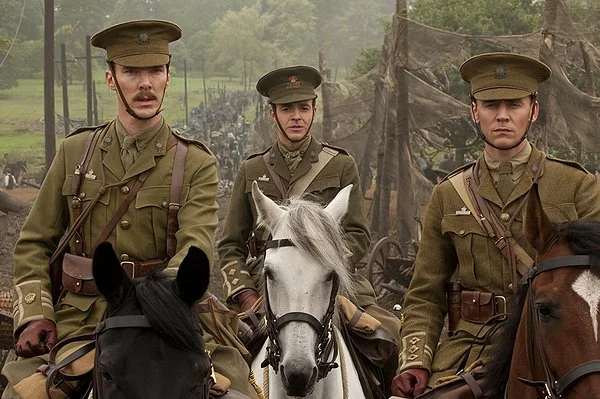
UK Guide: Availability, Access Methods, and Support
War Horse has made a lasting impact in the UK, where audiences connect with its wartime storytelling and emotional resonance. This guide explains how UK viewers can access the film across cinemas, streaming, and home formats, with practical tips for finding screenings, rentals, and purchases. It also highlights local fan groups, screenings, and support networks that enrich the viewing experience. The approach here is practical and update-friendly, reflecting licensing changes and new events that can affect availability. Expect updates as new opportunities arise, and use this guide to stay ahead of when and how War Horse can be watched in the UK.
Where to Watch in the UK (cinemas, streaming, DVD)
Across the UK, War Horse is available in multiple formats beyond the cinema, including occasional re-releases and streaming windows. This section provides a practical snapshot of current format availability and how to locate screenings or rentals near you.
| Format | Typical Availability in the UK | Notes |
|---|---|---|
| Cinema release | In the UK, War Horse re releases and special cinema nights occur in a variety of venues beyond the major circuits. These events tend to be announced through local cinema websites, regional cultural calendars, and university or museum partnerships. Availability is not guaranteed in every city, and showings are often tied to anniversaries, film festivals, or charity events. When a screening is planned, tickets may go on sale weeks in advance and can sell quickly due to enduring demand. Accessibility options, including assisted listening devices and wheelchair seating, are typically available at participating venues. | Check local listings, festival calendars, and cinema newsletters for dates and venues; look for special Q&A sessions or pre-screening introductions. |
| Festival and special screenings | These events provide opportunities in locations that do not regularly host films of War Horse’s scale. Festivals in cities across the UK often pair the film with post-screening discussions led by historians, veterans groups, or cinema educators. Attendance can be higher in urban centers, but regional hubs also host showcase blocks. They may be accompanied by outreach activities, school programs, or charity initiatives that broaden access and create a more interactive viewing experience. | Festival lineups change annually; verify dates with festival guides and partner organizations. |
| Streaming platforms | Streaming availability in the UK is shaped by licensing windows that can rotate across platforms. War Horse may appear on subscription services for a limited time or be offered as a rental or digital purchase on platforms that operate independently of subscriptions. To locate it, search by title on popular services and filter by UK region. If you subscribe to multiple services, use price trackers or cross-check the platform’s catalog to determine which option offers best value for a given viewing window. Note that some platforms support higher resolution streams and additional features such as subtitles, audio description, or language tracks. If a service does not carry the film, consider a rental option or purchase through a separate store. Always confirm the UK availability before planning your watch. | Platform catalogs differ by region; availability can change with licensing windows. |
| DVD/Blu-ray | Home media releases of War Horse are typically available from major retailers and online stores, often including bonus features like making-of documentaries, commentary tracks, and behind-the-scenes footage. Collector’s editions may include art cards or archival material. Look for regional codes that verify compatibility with your player and check for limited editions or reissues tied to anniversaries or special events. | Look for collector’s editions or bundled sets that may include postcards or art cards. |
| TV/Pay-Per-View | War Horse may appear on pay-per-view channels or as a broadcast event on premium TV packages, depending on licensing windows and channel schedules. Availability varies, so monitor local guides and on-demand catalogs for upcoming airings or promotions that offer temporary access. | Check TV listings and on-demand catalogs for upcoming airings. |
| Educational and licensing options | Schools, universities, and cultural institutions can arrange screening licenses for classroom or public viewings. This format supports curriculum work and community outreach through approved educational distributors. Terms vary by rights holder and may include multi-seat or site licenses, as well as streaming or physical media provisions for libraries. | Contact rights holders for bulk licensing, including public performance rights and regional school programs. |
Because availability changes, you should check local listings and the platform pages for the most up-to-date information. Fans planning a group viewing can coordinate with community cinemas or libraries for special events.
How to Access (streaming platforms, rentals, purchases)
In the UK, War Horse typically appears as a rental or digital purchase on major streaming platforms for a limited window after its initial release on the service. Availability is governed by licensing agreements that can differ from one service to another and may shift with licensing windows. To access the film, sign in with an active account on the platform and a compatible device, then search for War Horse and choose either Rent or Buy. Rentals usually give you a 24 to 48 hour viewing window once you start playback, while a purchase provides permanent access and can sometimes be downloaded for offline viewing where permitted. Prices vary based on video quality, with HD typically more expensive than SD and 4K often available only on select devices. Some platforms bundle War Horse with other titles or include it as part of a larger catalog rotation, so it can be worth checking multiple services before you decide. Subtitles, captions, and audio description options are commonly available, improving accessibility for diverse audiences and educational settings. If you have a UK library card or educational account, you may gain access to additional streaming catalogs through affiliated platforms. In short, streaming provides flexible access without owning a physical disc, but it requires checking current availability on each service and planning around licensing windows.
Streaming Platforms
Streaming platforms in the UK typically offer War Horse as a rental or digital purchase for a limited window after its initial release on the service. Availability depends on licensing agreements and can vary not only from service to service but also by region within the UK, so a title may be accessible on one platform in England but not in Scotland or Wales at the same time. To access the film, sign in with a compatible account, search for War Horse, and choose either Rent or Buy. Rentals usually give you a 24 to 48 hour viewing window once you start playback, while a purchase provides permanent access and can sometimes be downloaded for offline viewing where permitted. Prices fluctuate based on video quality, with HD typically more expensive than SD and 4K often available only on select devices. Some platforms bundle War Horse with other titles or include it as part of a larger catalog rotation, so it can be worth checking multiple services before you decide. Subtitles, captions, and audio description options are commonly available, improving accessibility for diverse audiences and educational settings. If you have a UK library card or educational account, you may gain access to additional streaming catalogs through affiliated platforms. In short, streaming provides flexible access without owning a physical disc, but it requires checking current availability on each service and planning around licensing windows.
Physical Rentals & Purchases
Physical media offers durable access and bundled extras that streaming cannot always reproduce. In the UK, War Horse DVDs and Blu-ray discs are sold by major retailers, online marketplaces, and occasionally by independent stores. When shopping, compare standard editions with collector’s editions, as the latter often include featurettes, commentaries, art cards, and original promotional materials. Check the region code on the packaging to ensure compatibility with your player, and be aware that some discs may use different encoding for multi-region playback. Rental discs may be available through local video shops or libraries, and some online rental services ship discs to addresses in the UK. Prices vary with edition type, release date, and demand, with older stock typically cheaper and special editions priced higher. Buying physical copies can be a good option for long-term fans who want high-quality video and the ability to rewatch without relying on an internet connection. When purchasing, verify whether the disc includes languages and subtitle options you require, and look for additional features such as director commentary or making-of documentaries. Storage and care matter: keep discs clean, store away from heat, and use protective cases to preserve your investment. Whether you’re a collector or a casual viewer, physical media remains a reliable and tactile way to own a favorite film.
Local Support & Fan Communities (UK-specific)
UK fan communities regarding War Horse have grown around regional screenings, online groups, and educational partnerships. These networks help fans stay informed about events, releases, and ways to engage with the story beyond the screen. You can connect with locals through organized screenings, school partnerships, and heritage initiatives that highlight the film’s production design, historical context, and animal portrayal. The following items showcase the kinds of groups and activities you might explore to deepen your engagement with War Horse in the UK.

Streaming Platforms
Pricing, Offers, and Comparison with Alternatives
Pricing for War Horse in the UK covers cinema tickets, home viewing, and related live theatre context when applicable. Viewers encounter a mix of 2D cinema pricing, premium formats, and digital purchase or rental options, depending on platform and location. This section outlines typical costs, current promos, and how War Horse compares with similar titles or stage adaptations. By understanding these options, you can plan a viewing strategy that fits your budget and preferred experience. The discussion also highlights how different formats influence overall value, from initial release to later promotions.
Pricing Structures (tickets, rentals, purchases)
In the UK, pricing for War Horse can vary by venue, format, and access method. Cinema tickets, digital rentals, and physical purchases each follow distinct pricing tiers that reflect audience demand, release timing, and regional competition.
- Standard cinema ticket (2D) for War Horse in the UK typically ranges from £8 to £15 in major cities, with higher prices on weekends and peak times.
- Premium formats such as 3D or premium large-format screenings may carry a surcharge of about £2–£6, varying by venue and seating class.
- Digital rental (TVOD) and on-demand access typically cost around £3–£5 for a 48-hour window, offering flexible viewing without leaving home.
- Digital ownership or purchase options (HD/4K) usually sit around £8–£15, depending on resolution, extra features, and regional promotions.
- Physical Blu-ray/DVD editions frequently land at £10–£20 and may include extra features, documentaries, and collectible packaging appealing to fans.
- Discount schemes, student rates, loyalty programs, and bundle deals with related titles can shave per-visit costs by significant margins.
Prices also shift with loyalty schemes, student rates, and limited-time promotions offered by theatres and streaming services. When planning multiple viewings, comparing options across cinemas and digital platforms can maximize value.
Offers, Discounts, and Promotions
War Horse promotions in the UK span cinema-centric deals and digital platform campaigns designed to attract different audiences. Many cinemas run off-peak or weekday matinee pricing, with additional discounts for students, seniors, or loyalty club members. Loyalty programs from major chains often provide points that translate into discounted tickets, free upgrades, or priority access to popular screenings. Digital platforms may offer temporary price cuts on rentals or purchases to coincide with holidays, anniversaries, or promotional partnerships. Bundle promotions can appear when War Horse is featured alongside related titles or in collector’s edition sets that include extras like behind-the-scenes footage or commentary. Schools, community groups, and family packages sometimes receive special rates for multi-ticket bookings or educational screenings. To capture these offers, it helps to subscribe to cinema newsletters and follow official social channels for limited-time codes and flash sales. Always compare prices across participating cinemas and streaming services, as promotions can vary by region and date. If you’re a casual viewer, waiting for a price drop or bundle deal can yield significant savings without sacrificing the viewing experience. For collectors, keep an eye on special edition releases that package War Horse with extra content at a modest premium relative to standard purchases.
Comparison with Alternatives
War Horse sits at an intersection of film art and historical storytelling, offering a cinematic experience that differs from both other World War I films and the live theatre adaptation. Compared with contemporary war dramas like big-budget releases or more intimate documentaries, War Horse emphasizes emotional storytelling and character-driven moments within a traditional narrative structure. When stacked against a direct screen competitor, such as a newer WWI film, its release window, cast visibility, and marketing footprint may influence price and promotion timing. The National Theatre’s stage adaptation of War Horse provides a contrasting experience—live puppetry, actor-driven storytelling, and a different pacing that can affect audience perception and value. For viewers weighing options, consider not just ticket price but format satisfaction: a high-quality cinema experience, a flexible home rental, or a durable physical edition with extras. Overall, War Horse offers a distinct blend of historical drama and emotional resonance that can complement or stand apart from its alternatives depending on your preferred viewing format and budget.